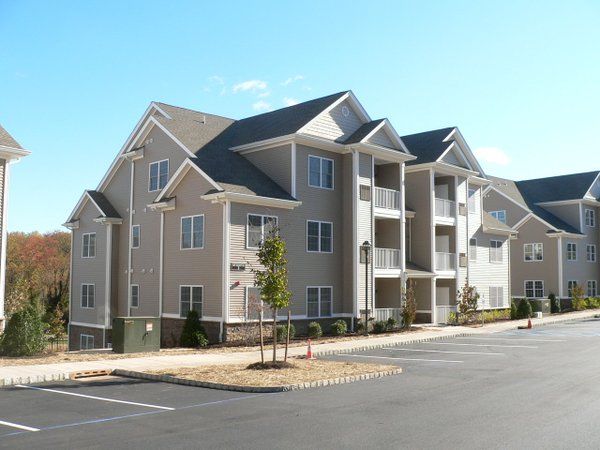
The Rise of Urban Multifamily Housing
Apartment living has become a defining feature of modern American life, particularly in metropolitan and fast-growing suburban areas. Many individuals and families choose an apartment for reasons related to affordability, convenience, and community access. The shift toward walkable neighborhoods, remote work, and flexible lifestyles has contributed to an increased interest in professionally managed residential buildings that offer amenities and simplified maintenance responsibilities. As city infrastructures expand and commuter patterns evolve, apartment developments continue to adapt to meet changing expectations.
In many regions, renting provides greater financial predictability and mobility. Instead of committing to a long mortgage, residents often value the freedom to relocate for work opportunities, lifestyle changes, or personal goals. For young professionals and retirees alike, apartment living can offer a balance of independence and social connection.
Key Layout Types and Floor Plan Configurations
Apartment floor plans vary widely, but several standard layouts appear across most regions of the United States. Choosing the right configuration depends on lifestyle, budget, and personal preference.
Studio Layouts
Studios combine living, kitchen, and sleeping areas into a single open-concept space. They suit individuals who value simplicity and minimal upkeep. Practical use of furniture, such as fold-away tables or room dividers, can help create visual separation between areas. Studios tend to be more affordable, which makes them appealing for students or those just entering the workforce.
One Bedroom Units
A one bedroom apartment offers a separate sleeping area, providing more privacy and flexibility in layout. It often suits remote workers who need space for a desk or work nook. The defined bedroom helps keep living spaces tidier and more organized.
Two and Three Bedroom Apartments
These larger units accommodate families, roommates, or individuals who require additional rooms for work or hobbies. Shared living situations can help split costs, while allowing personal space. Larger units generally include more storage and occasionally additional bathrooms.
Loft and Split-Level Designs
Lofts feature high ceilings and open, airy designs. Some include elevated platforms for sleeping, which increases usable space without requiring more square footage. Split-level units spread living areas across small stair-level variations, creating natural separation between daily activities.
Essential Amenities and Building Features
Amenities can greatly influence quality of life and monthly housing decisions. Not all services are necessary for every resident, but understanding available options helps in making a well-informed choice.
Common Residential Amenities
- Fitness centers designed for everyday routines
- Outdoor courtyards or rooftop terraces
- On-site laundry rooms or in-unit washers and dryers
- Pet friendly spaces with designated walking areas
- Community lounges for social gatherings or work-from-home flexibility
Convenience and Security Features
- Controlled building entry systems with electronic access
- Elevator service in mid-rise and high-rise structures
- Package lockers for secure deliveries
- On-site management staff for maintenance support
Amenities that support everyday routines often enhance comfort and reduce the need for external memberships or travel. For example, having a reliable fitness room or safe package management system can streamline daily tasks.
Understanding Lease Terms and Renter Rights
Signing a lease requires careful attention to detail. A lease outlines legal responsibilities for both the tenant and the property management company.
Key Elements to Review in a Lease
- Rent due date and late fee policies
- Security deposit terms and conditions for refund
- Maintenance responsibilities and response expectations
- Pet policies, including fees or breed restrictions
- Rules regarding noise, guests, and shared common areas
Tenants benefit from asking questions about any unclear terms before signing. It is also wise to document the condition of the apartment during move-in with photos or written notes to avoid security deposit disputes when moving out.
Financial Considerations and Budget Planning
The cost of living in an apartment varies widely depending on geographic location. Urban centers typically have higher rent rates than suburban or rural areas. Careful planning helps residents avoid financial strain.
Monthly Expenses to Account For
- Base rent
- Electricity, gas, and water if not included
- Internet and streaming services
- Parking fees if applicable
- Renter’s insurance, which protects personal property
A common budgeting guideline suggests keeping housing costs at or below one-third of monthly income. However, lifestyle preferences and local cost levels may influence this ratio.
Location and Neighborhood Evaluation
Location plays a significant role in satisfaction with apartment living. Proximity to workplaces, public transit, grocery stores, and recreational options can impact everyday comfort and convenience.
Factors to Consider When Selecting a Neighborhood
- Safety ratings and community reputation
- Walkability to essential services
- Availability of public or private transportation
- Noise levels and traffic patterns
- Nearby parks, dining, and cultural venues
Exploring a neighborhood at various times of day provides a realistic feel for its environment. Some residents prefer lively streets with many nearby attractions, while others look for quieter residential pockets.
Community and Lifestyle Benefits
Apartment communities often provide opportunities for social interaction. Organized events, shared spaces, and casual encounters with neighbors can foster a supportive environment. Some buildings host fitness classes, holiday gatherings, or resident clubs that create connection and familiarity.
For individuals moving to a new city, these interactions may offer a sense of belonging. Families may also appreciate on-site play areas or child-friendly amenities.
Maintenance and Upkeep Advantages
One of the main benefits of renting is reduced responsibility for repairs. Management teams generally handle maintenance requests, which can save both time and expense.
Typical Maintenance Services
- Appliance repairs
- Plumbing or electrical fixes
- Heating and cooling system upkeep
- Snow removal and landscaping
Residents should learn how to submit service requests and understand response time expectations. Clear communication with building staff helps ensure timely solutions.
Sustainable and Energy Efficient Features
Newer buildings often incorporate environmentally conscious design. These features can reduce utility costs and support healthier indoor air quality.
Common Eco-Friendly Elements
- Energy efficient appliances
- LED lighting fixtures
- Water saving faucets and showerheads
- Insulated windows to regulate temperature
These improvements contribute to both environmental responsibility and long term comfort.
Frequently Asked Questions
How long are typical lease agreements?
Most lease terms last one year, although month-to-month options or longer leases may be available. A yearly lease provides more stable rent pricing for the duration of the term.
Is renter’s insurance necessary?
Many property management companies require it. Even when optional, renter’s insurance is valuable because it covers personal belongings in cases of theft, damage, or unexpected events.
Can I personalize my living space?
Small changes like furniture arrangement or temporary wall decorations are usually allowed. More permanent modifications, such as painting or installing shelving, should be approved in writing to avoid repair charges later.
What is the process for renewing a lease?
Near the end of the lease, management typically sends renewal options. Rent may increase depending on market conditions. Reviewing local rental trends can help determine whether renewing or relocating is the better choice.
How do I evaluate noise levels before moving in?
Visit the building at different times of day, including evenings and weekends. Also consider the unit’s position in the building, flooring materials, and proximity to busy streets.
If you’d like, I can continue by creating a printable checklist for touring apartments, or I can expand any section further.