Understanding Rent in the United States: Cost, Rights, Responsibilities, and Long Term Planning


The Financial and Lifestyle Role of Rent in Modern Housing
Rent is more than a monthly payment exchanged for temporary housing. It reflects a person’s need for flexibility, mobility, budget control, and access to neighborhoods where purchasing may be impractical or unaffordable. Many individuals choose to rent because it reduces the long term commitment and financial obligations associated with owning property. Renting can support career mobility, simplify relocation, and make it possible to live in metropolitan areas with high property prices. At the same time, renting requires careful financial planning, awareness of tenant rights, and understanding the true costs beyond the advertised monthly price.
Renters navigate a market influenced by local housing supply, employment trends, zoning regulations, and population growth. Urban areas with strong job markets often have higher demand, which leads to increased rental rates. Suburban and rural regions may offer more space and lower costs, though commuting expenses and access to services must be factored into the decision. To make the best housing choice, individuals benefit from understanding how rent is calculated, what responsibilities fall on both tenants and landlords, and how to evaluate lease agreements carefully.
Types of Rental Housing and Their Characteristics
Rental options vary based on location, structure, privacy, and amenities. Understanding the difference helps renters choose housing that aligns with lifestyle needs and long term plans.
Apartments
Apartments are units located in multi-family buildings. They come in varied sizes ranging from studios to multi-bedroom layouts. Apartments may include access to amenities such as:
- Shared laundry facilities or in-unit washers and dryers
- Fitness rooms or community spaces
- Courtyards, rooftops, or parking structures
- On-site maintenance and security access systems
Apartment living is particularly suited for individuals who value convenience, proximity to employment centers, and community-based living environments.
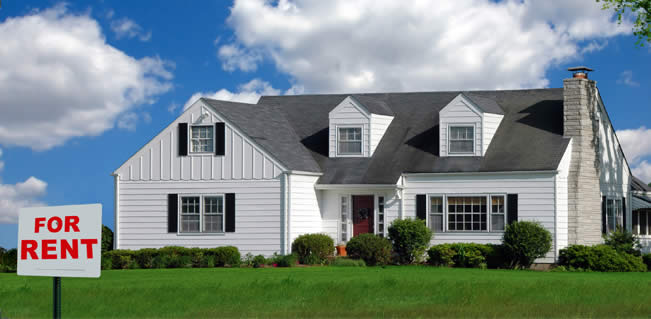
Single-Family Homes for Rent
Some homes are owned by private landlords or investment groups and leased to tenants. These properties offer:
- Greater privacy
- Larger living space and yard access
- Neighborhood integration
- More autonomy in daily living
However, maintenance responsibilities and utility arrangements should be clearly defined in the lease to avoid confusion about repair obligations.
Duplexes, Triplexes, and Fourplexes
These smaller multi-unit buildings offer a balance between apartment living and single-family housing. They provide more privacy than large complexes while usually maintaining accessible rental pricing.
Room Rentals and Shared Housing
For individuals seeking affordability and community, shared housing arrangements can reduce personal rental expense. These living situations require clear agreements regarding:
- Shared utility costs
- Cleaning responsibilities
- Visitor and noise expectations
Understanding How Rent is Priced
Rental rates are shaped by broad and local economic conditions. Renters benefit from understanding the key influences behind pricing, rather than viewing rent as a fixed or arbitrary cost.
Geographic Location
Cities with strong job markets, desirable schools, or cultural amenities have higher rental demand. Proximity to downtown areas, public transit lines, and business hubs increases prices. Rent generally decreases as one moves farther from high opportunity zones.
Property Condition and Age
Well maintained, recently renovated properties command higher monthly prices. Older or poorly maintained buildings may cost less but could bring greater risks regarding repairs and comfort.
Amenities and Services
Amenities increase rental value. For example:
- Secure parking or garage space
- Controlled building access systems
- Central air conditioning or upgraded heating systems
- In-unit laundry
- Fitness or recreational features
The value of these amenities should be weighed against personal lifestyle priorities.
Market Demand and Availability
When available rentals are limited, landlords can raise prices. Significant population increases, university cycles, and tech industry expansions often lead to competitive rental markets.
Analyzing the Full Cost of Renting
Renters should evaluate the complete financial picture rather than focusing solely on monthly rent.
Common Added Expenses
- Security deposit, typically ranging from one to two months’ rent
- Utility bills including electricity, water, gas, and internet
- Renters insurance, often required by lease agreement
- Application fees and credit screening charges
- Parking fees in urban buildings
Developing a monthly cost breakdown prevents financial surprises and helps maintain long term stability.
Rent-to-Income Ratio
A widely used guideline suggests spending no more than 30 percent of monthly income on rent. However, this ratio must be tailored to individual circumstances such as:
- Existing debt obligations
- Family expenses or childcare
- Savings and long term financial goals
Reading and Understanding Rental Lease Agreements
A lease is a legally binding contract. Understanding its terms protects renters from unexpected obligations.
Key Lease Components to Review
- Lease term length (month-to-month vs yearly)
- Rent due date and late payment policies
- Rules on pets, guests, and subleasing
- Maintenance and repair responsibilities
- Move-out notice requirements
- Conditions for security deposit refund
Renters should request clarification on any unclear clauses and document all agreements in writing.
Tenant Rights and Legal Protections
U.S. tenant rights vary by state, but many general protections apply widely.
Common Tenant Rights
- Right to live in a safe and habitable unit
- Right to timely repair of essential utilities and systems
- Right to privacy with reasonable notice before landlord entry
- Protection against unlawful eviction without due process
Tenants have the responsibility to pay rent on time, maintain cleanliness, and follow lease agreements. Landlords must respect tenant rights and maintain property conditions.
Evaluating Property Condition Before Signing a Lease
Conducting a thorough walkthrough protects renters from liability for pre-existing damage.
Walkthrough Checklist
- Inspect walls, carpets, flooring, and fixtures for wear or stains
- Test all appliances and plumbing
- Check heating, cooling, and ventilation systems
- Document any issues with photos or written notes
- Request repairs or confirmation before move-in
This documentation prevents unfair deductions from the security deposit when moving out.
Strategies for Managing Rent Increases
Rent increases are common, especially when lease terms expire in strong housing markets.
Negotiating Renewal Terms
- Offer to sign a longer lease in exchange for stable pricing
- Highlight reliability as a tenant (timely payments, good upkeep)
- Compare nearby market rates and present research respectfully
- Request small upgrades in exchange for accepting modest increase
Communication and preparation often lead to better outcomes.
Choosing Between Renting and Buying
The decision depends on financial, personal, and lifestyle considerations rather than a universal rule.
Renting May Be Better When:
- Employment or career location is uncertain
- Savings for a down payment are still developing
- Interest rates make homeownership cost prohibitive
- Flexibility is highly valued
Buying May Be Better When:
- Stable employment supports long term residency
- Desire for customization and personal space is strong
- Local market conditions support appreciation potential
The decision is strategic, not merely financial.
Frequently Asked Questions
How can I improve my chances of being approved for a rental?
Strengthen credit, maintain stable employment, gather landlord references, and present documents such as pay stubs and bank statements promptly. Showing preparedness builds landlord confidence.
What should I do if repairs are not being addressed?
Communicate repair requests in writing. If problems persist, renters can explore local tenant protection agencies or mediation services. Documentation is essential to support any dispute process.
Are month-to-month leases risky?
Month-to-month leases offer flexibility but may include sudden rent increases or shorter notice periods for termination. This option suits those expecting relocation or uncertain employment timelines.
Can I break a lease early?
Lease breaking typically involves fees or continued rent responsibility until the unit is re-rented. Some states require landlords to make reasonable efforts to find new tenants. Special allowances may apply in documented emergencies.
Should renters get insurance?
Yes. Renters insurance protects personal belongings from theft, fire, or damage. It also may cover liability if someone is injured inside the rental unit.
If you’d like, I can now create a customizable rent budgeting worksheet or help you compare rental neighborhoods based on affordability and lifestyle preferences.