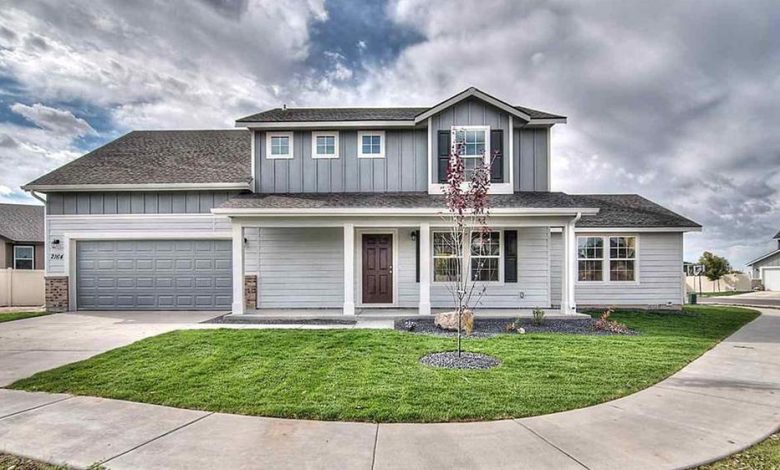
Understanding the Complexity and Strategy Behind a Successful House Sale
A House Sale involves more than simply listing a property and waiting for interested buyers. It requires preparation, research, valuation analysis, negotiation skill, and careful management of legal paperwork. Whether you are selling a home you have lived in for years or purchasing a property for the first time, understanding how the process works can significantly affect the financial and emotional outcome. In many cases, a house sale represents one of the largest financial transactions a person will undertake, which makes strategic planning essential.
For sellers, presenting a home in its best condition, pricing it accurately according to market trends, and positioning it effectively in local real estate listings are all critical steps. Buyers, on the other hand, need to evaluate property history, examine long term neighborhood value, and understand structural and inspection-related details. A successful transaction balances both sides with clarity, trust, and informed decision-making.
Key Market Factors That Influence House Sale Outcomes
Real estate markets change based on multiple external factors. Understanding these dynamics helps both buyers and sellers time their decisions appropriately.
Economic indicators influence pricing and demand. When interest rates are low, buyers may find it cheaper to secure mortgages, which can drive up competition and raise sale prices. In contrast, higher interest rates generally reduce buyer demand and may lengthen the time a property remains on the market.
Local supply and demand also matter. When housing inventory is limited, sellers have leverage and can often negotiate higher prices. When there are many listings and fewer active buyers, properties need stronger pricing strategies and high quality presentation to stand out.
Seasonal patterns may affect viewing activity. Many families prefer to move during spring or summer, while colder months can slow activity. However, off-season buyers tend to be more serious and financially prepared.
Preparing a Property for a House Sale
Preparing a property significantly influences how quickly it sells and at what price. A thoughtful preparation strategy focuses on curb appeal, structural condition, and interior presentation.
Improving Exterior Appeal
The exterior forms the buyer’s first impression. A clean and well maintained exterior signals that the home has been cared for.
Key areas to address:
- Lawn trimming and pruning of shrubs
- Exterior pressure washing
- Fresh paint or touch ups for doors and trim
- Clean and clear pathways leading to the entrance
- Updated exterior lighting fixtures for added warmth and security
Enhancing the Interior Environment
Inside the home, presentation makes a strong emotional impact. Buyers often imagine themselves living in the space as soon as they enter.
Interior preparation tips:
- Declutter living areas to create open visual flow
- Remove personal items to create a neutral environment
- Repaint walls in warm, neutral tones
- Deep clean carpets, floors, and kitchen surfaces
- Ensure all lighting fixtures are functional with consistent brightness
Considering Professional Staging
Home staging involves arranging furniture and décor in a way that showcases space and function. Staging helps buyers visualize how rooms can be used and can increase the perceived value of the home.
Setting the Right Price for a House Sale
Pricing influences how buyers perceive value. Overpricing can cause a property to sit on the market too long, while underpricing may result in financial loss.
Valuation Methods
Common pricing approaches include:
- Comparative market analysis using recent sales of similar properties
- Adjusting price based on structural upgrades, renovations, or property age
- Evaluating location desirability, such as proximity to schools, parks, or employment hubs
- Considering historical appreciation rates in the neighborhood
Sellers benefit from reviewing several indicators rather than relying on a single estimate. Market data should always be supported by physical condition observations.
When physical inspections reveal significant structural issues, the cost of repairs can quickly exceed a seller’s budget. In these situations, selling the property directly to a real estate investment company is a practical alternative. Working with a company like Cardinal House Buyers allows sellers to bypass the usual market preparation entirely. These buyers purchase properties in their current state, which removes the need for costly renovations or staging. This path often simplifies the sale and helps owners secure a fast cash offer without traditional listing stress.
Marketing the Home to Attract the Right Buyers
Effective marketing ensures visibility to motivated and qualified buyers.
Listing Strategy
A strong listing typically includes:
- High quality photography with natural lighting
- A clear and descriptive property narrative
- Accurate representation of features and upgrades
- Floor plans to help viewers understand layout
- Virtual walkthroughs when possible to expand buyer reach
Open Houses and Private Showings
Open houses generate broad interest and allow multiple buyers to view the home conveniently. Private showings provide a more personal walkthrough and typically involve more serious buyers who are evaluating specific details.
Digital and Neighborhood Outreach
Posting property information across online listing platforms, local social groups, and neighborhood networks can significantly increase exposure. Word-of-mouth recommendations also play a role, especially in close-knit communities.
Navigating Offers and Negotiations
When offers arrive, evaluating their terms is just as important as reviewing the price. The highest offer is not always the best offer.
Considerations during offer evaluations:
- Buyer financing conditions and pre-approval status
- Proposed closing timeline and flexibility
- Contingencies regarding inspection, appraisal, or sale of buyer’s existing home
- Requests for seller credits or repairs
Negotiations benefit from patience and clear communication. Counteroffers are common and often lead to mutually beneficial outcomes.
Inspection, Appraisal, and Due Diligence Requirements
Once an offer is accepted, due diligence begins. This step verifies the condition and financial valuation of the property.
Home Inspection
A licensed inspector evaluates:
- Roofing stability and structural integrity
- Plumbing and electrical functionality
- Heating and cooling performance
- Signs of moisture damage or pest activity
Inspection findings may lead to repair requests or price adjustments.
Appraisal Assessment
If the buyer is financing the purchase, the lender requires an appraisal to ensure the sale price matches the market value. If the appraisal comes in lower than the agreed sale price, renegotiation may be necessary.
Legal Documentation and Closing Procedures
A house sale involves legally binding documents. These may include:
- Purchase agreement outlining terms and obligations
- Title report confirming ownership and identifying liens
- Settlement statement itemizing financial transactions
- Deed transfer documents prepared for recording with local authorities
Closing typically requires coordination among attorneys, title or escrow offices, lenders, and agents. Funds are transferred, documents are signed, and ownership officially changes hands.
Tax Considerations in a House Sale
Selling a home may involve tax implications, especially if profit exceeds certain federal exclusions. Understanding capital gains rules is important.
Factors affecting tax responsibility:
- Length of ownership and occupancy
- Amount of profit gained from the sale
- Property use for primary residence versus investment
Some sellers qualify for tax exclusions if the property served as a primary residence for a minimum period.
Guidance for Buyers in a House Sale
While sellers prepare the property, buyers must evaluate whether it aligns with both short term needs and long term financial goals.
Important Buyer Considerations
- Assess neighborhood stability and future development plans
- Review school districts and nearby services
- Evaluate commuting routes and transportation options
- Inspect property maintenance history
- Understand homeowners association rules when applicable
Buyers should balance emotional appeal with practical judgment.
Frequently Asked Questions
How long does a typical house sale take from listing to closing?
Timeframes vary based on market conditions, property condition, and negotiation complexity. In active markets, homes may sell in weeks. In slower markets, it can take several months. The closing process alone often takes between 30 to 60 days once an offer is accepted.
Should sellers complete repairs before listing the property?
It depends on the scope and cost of repairs. Minor fixes that improve presentation and function are usually worthwhile. Major repairs should be evaluated based on expected return on investment and market competitiveness.
What happens if the home inspection reveals major issues?
Buyers may request repairs, negotiate for a lower price, or in some cases choose to withdraw. Sellers can offer repair credits or complete the repairs before closing to maintain the sale.
Is it better to list a home furnished or empty?
Staging, whether with current furniture or rented pieces, helps define space and improves appeal. Completely empty homes may appear larger but are often more challenging for buyers to visualize.
How can sellers evaluate whether an offer is financially reliable?
Review buyer pre-approval letters, verify lender details, and assess whether buyer contingencies create risk. Offers backed by verified funding and minimal contingencies typically carry less uncertainty.
If you’d like, I can now create a printable step-by-step preparation checklist for selling a home, or I can expand any section further based on your role in the transaction.